Dubai’s real estate market has experienced a dramatic surge in recent years, driven by strong global demand, favorable visa policies, and rapid infrastructure development. But as 2025 unfolds, many analysts are asking: Are we entering a new price cycle? With a massive wave of new supply expected and changing market dynamics, investors must understand what the next 5 years could hold. This article explores the factors shaping Dubai’s real estate outlook through 2030 and what investors need to know.
1. Current Landscape: Price Growth and Momentum
- Moderating Growth in 2025
- Experts predict a slowdown in price growth. For 2025, projections indicate a 5–10% increase in residential prices.
- Strong Demand in Select Segments
- Despite moderation, demand remains resilient in prime, branded, and waterfront properties.
- Stable Fundamentals
- According to S&P Global, Dubai’s economic agenda (like the D33 plan) and business-friendly policies will continue to attract investment.
2. Supply Shock: The Big Variable for 2026–2028
- Massive Supply Coming Online
- Land Sterling expects over 70,000 residential units to be completed in 2025.
- Asteco projects that many of these units (about 75%) will be apartments.
- Range.ae estimates around 182,000 units by 2025-2026.
- Impact on Prices
- This surge in handovers could outpace demand, putting downward pressure on certain segments. Fitch Ratings forecasts a price correction of up to 15% in late 2025 or into 2026.2
- Segmented Risk
- Non-prime / Mid-tier Apartments: Likely to be most exposed to price softness due to high volume.
- Luxury & Branded Properties: Might be more resilient because of limited supply and strong ultra-high-net-worth demand.
3. Long-Term Outlook (2027–2030): Recovery or Stabilization?
- Steady Appreciation Expected
- According to Realanter, annual growth of 5–7% is forecasted for the 2025–2030 period, particularly driven by luxury homes and premium segments.
- Prime Areas to Lead Upside
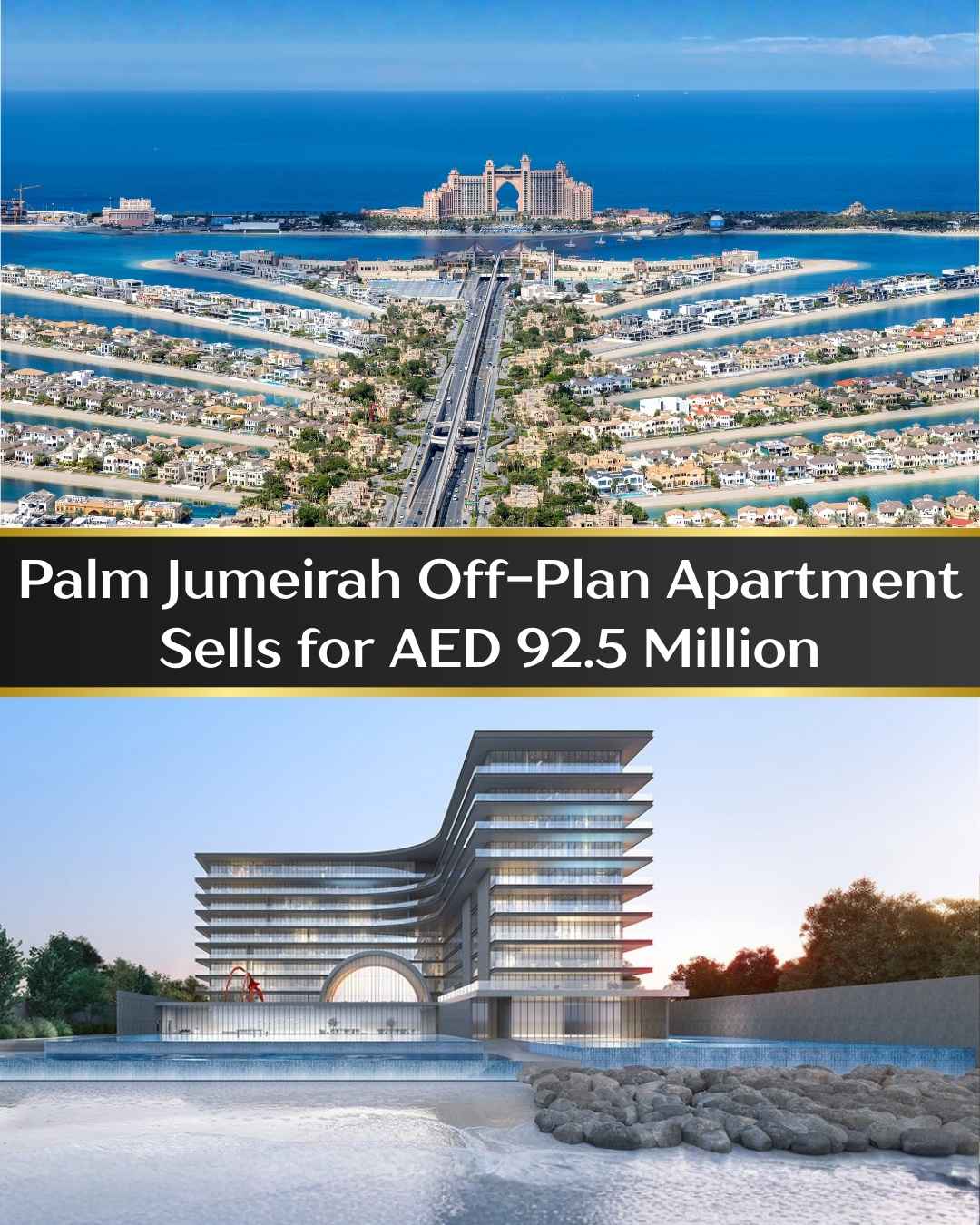
- According to a market forecast: communities like Palm Jumeirah, Downtown Dubai, and Dubai Marina may see more significant capital appreciation.
- 2030 Price Projections
- For example, Waves estimates that Downtown Dubai apartments may reach AED 3,700–4,600/sq ft by 2030.
- In JVC, the projection is AED 2,200–2,700/sq ft by 2030.
- Demand Drivers
- Continued population growth, corporate migration, and expatriate inflows.
- Infrastructure and masterplan development (e.g., waterfront projects) boosting long-term appeal.
- Policy tailwinds: Visa schemes, low taxes, and business-friendly environment continue to support investment.
4. Risks & Challenges for Investors
- Oversupply Risk
- If too many units hit the market too quickly, especially in mid-tier segments, absorption could slow.
- Oversupply could lead to price softness, particularly for less differentiated developments.
- Demand Mismatch
- Not all new supply may match buyer demographics (e.g., investor vs resident demand).
- Some areas may suffer from lower occupancy or slower resale potential.
- Economic Volatility
- Global macro factors (rates, inflation) could weigh on investor sentiment.
- Any slowdown in foreign capital inflows could impact high-end demand.
- Regulatory Risk
- While Dubai has favorable policies, any shift in visa, taxation, or property regulation could change the risk profile.
- Developers may also face rising construction costs, labor issues, or delays, which could push out completions or compress margins.
5. Strategic Insights for Investors (2025–2030)
- Be Selective by Segment
- Focus on prime and branded assets: These are likely to hold value better during correction.
- In mid-tier, target well-located master-planned communities with strong infrastructure.
- Adopt a Medium- to Long-Term Hold Strategy
- Given the projected supply wave, a 5+ year horizon could help smooth short-term volatility.
- For yield investors, look at communities with strong rental demand and limited future supply.
- Use Staggered Entry
- Instead of going all-in right away, phase your investments: buy some now (2025), some when supply peaks (2026), and hold into 2028–2030.
- Monitor Key Metrics
- Watch delivery schedules and absorption rates. Reports like Land Sterling Research can be very helpful.
- Track economic and visa policy changes.
- Consider Off-Plan Opportunities
- Off-plan deals may still offer attractive terms, especially if developers offer payment plan flexibility.
- But due diligence is critical: check developer track record, escrow protections, and construction timelines.
Conclusion
Yes, Dubai is very likely entering a new price cycle, but it’s not a simple crash-or-boom scenario. The next few years may bring price moderation, driven by a significant supply wave. That said, from 2027 to 2030, there’s potential for steady appreciation especially in prime and well-located communities.
For investors, the strategy should be disciplined, selective, and long-term. By choosing the right segments and timing, you can benefit from both short-term market stability and long-term growth.