In Dubai’s next real estate chapter, square footage and skyline views are no longer enough. Buyers want to live well and they’re willing to pay for it.
As more than 61,800 residential units remain under construction across Dubai in 2025, a clear shift is emerging in what truly drives value. Wellness, sustainability, and quality of life are no longer “nice-to-haves”, they’re shaping buying decisions just as much as prestige, location, and returns.
For investors, homeowners, and end-users alike, this signals a powerful evolution in the market.
From Iconic to Intentional: A New Buyer Mindset
Dubai has long been known for bold architecture and record-breaking developments. But today’s buyers are more discerning.
Global investors and residents are increasingly prioritising:
- Low-density living
- Green spaces and outdoor amenities
- Walkable, community-centric neighbourhoods
- Holistic wellness and long-term liveability
This shift isn’t just about lifestyle, it’s about sustainable value.
The Numbers Tell the Story
According to the Dubai Land Department, confidence in the market remains strong:
- 94,700 investors entered Dubai’s real estate market in H1 2025
- This represents a 26% year-on-year increase
- Over 91,000 residential transactions were completed
- Total transaction value reached Dh262.1 billion, up 36.4% year-on-year
These figures reflect not just growth, but a clear preference for developments that deliver more than luxury they deliver wellbeing.
Five areas stand out as shaping Dubai’s wellness-driven property landscape:
Meydan (Nad Al Sheba): Calm Living Close to the City
Meydan has quietly evolved into one of Dubai’s most lifestyle-focused locations.
Why it stands out:
- Landscaped parks and green corridors
- Walkable streets and open spaces
- Access to equestrian and sports facilities
- Proximity to Downtown Dubai without the congestion
Apartment prices reached approximately Dh1,543 per sq ft in Q3 2025, while over 70% of transactions are off-plan, a strong signal of buyer confidence in long-term liveability.
Mohammed Bin Rashid City: Family-Centric Green Luxury
MBR City blends urban convenience with a strong emphasis on wellness and family living.
Key features:
- Central parks and landscaped surroundings
- Pedestrian-friendly master planning
- Spacious villas and townhouses
- Seamless access to Downtown Dubai
It continues to attract high-value buyers seeking space, greenery, and connectivity, a combination increasingly seen as premium.
Dubai Hills Estate: The Gold Standard for Suburban Wellness
Dubai Hills Estate has become a benchmark for balanced, wellness-led living.
What buyers love:
- A vast central park and championship golf course
- Jogging tracks, tree-lined streets, and open spaces
- Schools, retail, and healthcare within the community
- A truly walkable, self-contained environment
With rental occupancy reaching 86.5% in H1 2025, it remains one of the most stable and in-demand neighbourhoods for families and long-term residents.
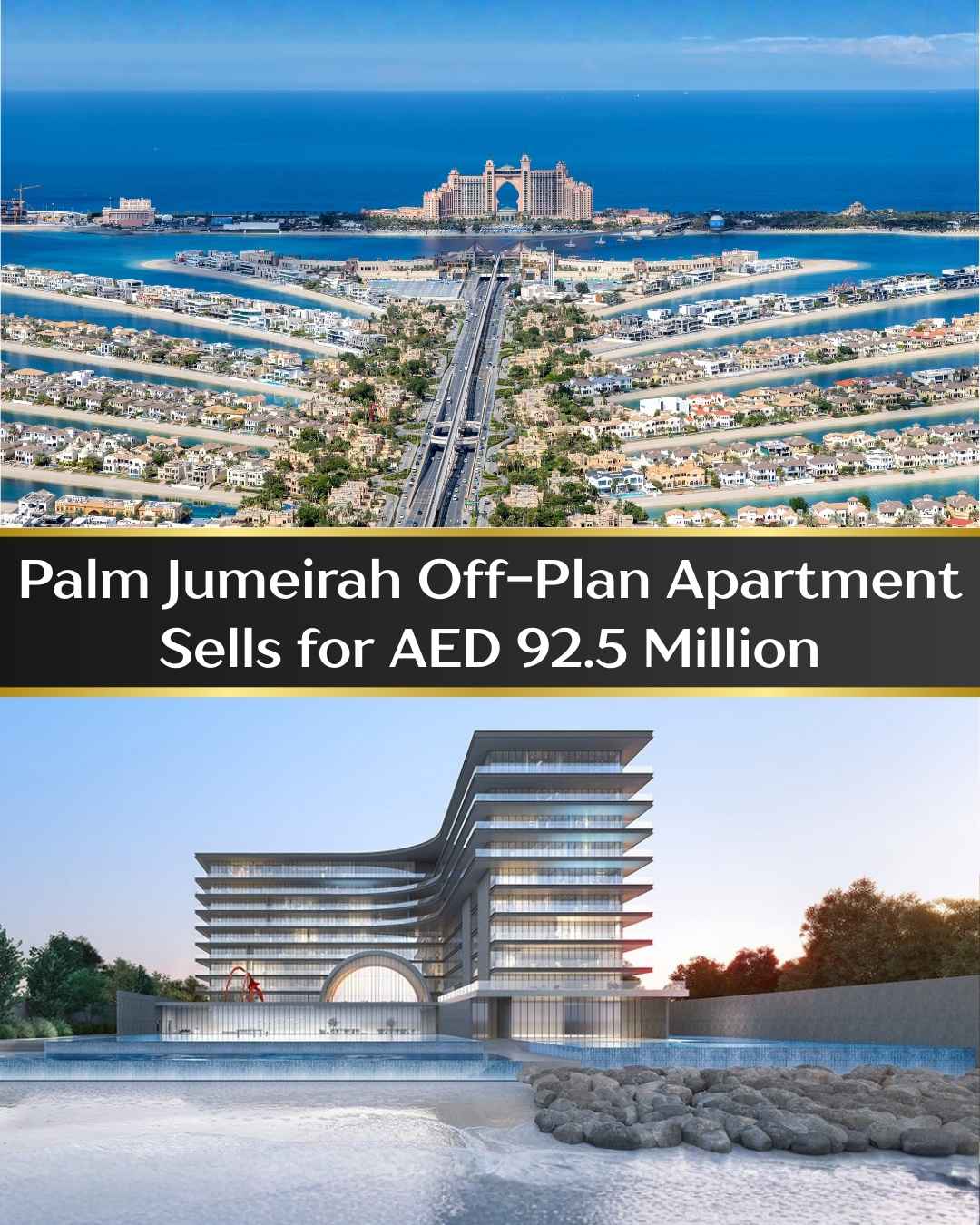
Palm Jumeirah: Redefining Luxury Through Lifestyle
Even Dubai’s most iconic luxury destinations are being reimagined through a wellness lens.
On Palm Jumeirah, buyers are no longer driven by status alone.
Lifestyle-driven appeal includes:
- Waterfront promenades
- Private beaches
- Landscaped outdoor spaces
- Privacy combined with leisure and recreation
Limited new supply continues to support long-term value. In Q2 2025, Palm Jumeirah led the ultra-luxury segment, recording the highest number of homes sold above $10 million.
Emirates Hills: The Pinnacle of Green Exclusivity
At the very top of the market, Emirates Hills remains unmatched.
Why it endures:
- Ultra-low-density planning
- Expansive private gardens and pools
- Golf course views and quiet streets
- Exceptional privacy with city connectivity
Ultra-luxury villas achieved prices of around Dh4,929 per sq ft in H1 2025, reflecting continued demand for space, tranquillity, and wellness at the highest level.
What This Means for Buyers and Investors
As analysts note, the direction of Dubai’s property market is becoming unmistakable:
Developments that prioritise green infrastructure, walkability, and holistic living are set to outperform.
In a city once defined by spectacle and scale, wellness-led communities are now defining long-term value.
Key Takeaways
- Wellness is no longer a trend, it’s a core investment driver
- Green, low-density, walkable communities command stronger demand
- Buyers are prioritising liveability alongside returns
- Wellness-focused areas are outperforming in both sales and rentals
For anyone considering buying, investing, or upgrading in Dubai, the question is no longer just “Where?” it’s “How do I want to live?”